
The fireplace crackled with a warmth that only December could bring. Mr. Monopoly, still in his top hat, leaned back in his armchair while Scottie happily crunched on a festive biscuit shaped like a Christmas tree. A plate of sweet treats sat between them, and outside the frosted window, the board was quiet—for now. “You know,” Mr. Monopoly said, brushing cookie crumbs from his moustache, “this is the last bit of peace we’ll get before the big holiday partners event. Better enjoy it, old friend.” Scottie wagged his tail, but his eyes kept darting toward the Railroad tiles. Even a terrier could sense it: the Treat Quest tournament was about to begin, and every roll counted.
From the moment the clock struck 3 PM EST on December 23, the daily leaderboard event lit up the town. Treat Quest was only a one‑day affair, wrapping up at 1 PM the next afternoon, but the rewards… well, they were the kind that make a tycoon’s heart sing. Nearly 14,000 free dice rolls were hidden behind those milestone points, and with a new partners event already shimmering on the horizon, every spare die meant one more gift under the tree for your teammates.
Landing on a Railroad tile was the name of the game. The moment your token clattered onto that iron track, you’d be whisked into one of two classic minigames: Shutdown or Bank Heist. Here’s the thing—how well you played directly decided your haul. A botched Shutdown still gave you a tiny two points, like finding a penny in an old coat pocket. Nail the Shutdown, though, and you’d earn four. But the real thrill came from the heists. A Small Heist scored four points, a Large one a respectable six, and if you were lucky enough to go full Bankrupt, eight points jingled into your tally. So, yeah, it paid to be a little greedy.
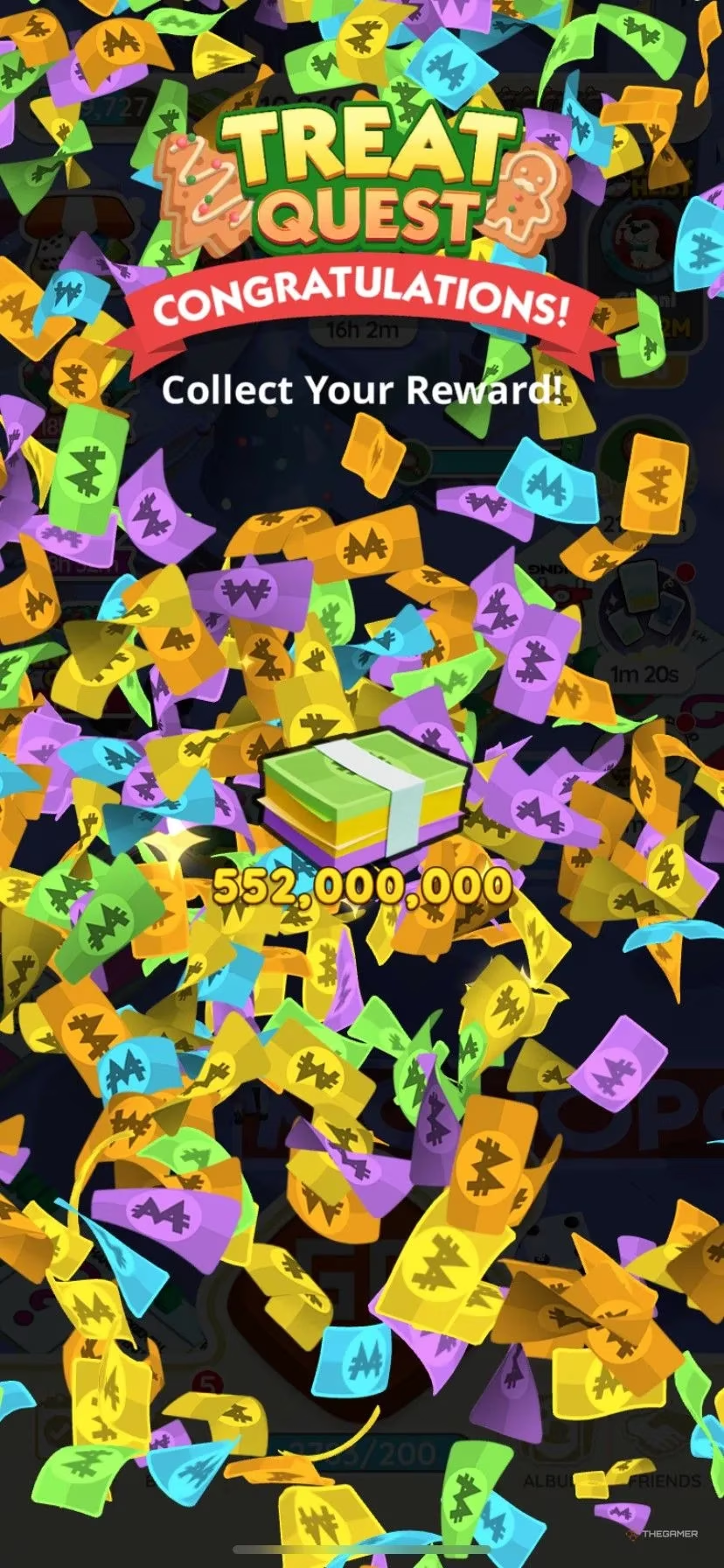
As the points stacked up, a banquet of milestone prizes unfolded. Early treats were simple—a splash of cash here, a handful of 40 dice there. But the further players ventured, the sweeter the table became. Flash event triggers like High Roller popped up, first for a fleeting five minutes, then later a glorious 25 minutes of boosted fun. Cash Boosts sweetened the pot, and sticker packs arrived in a riot of colours: green, yellow, pink, blue, and even the elusive blue pack made its appearance at milestone 26. The final prize, sitting majestically at 7,000 points, was a staggering 3,500 free dice rolls. To reach it, you’d need patience, a bit of luck, and… did we mention a Mega Heist for 40 minutes at milestone 35? It was the kind of boost that could tip the scales.
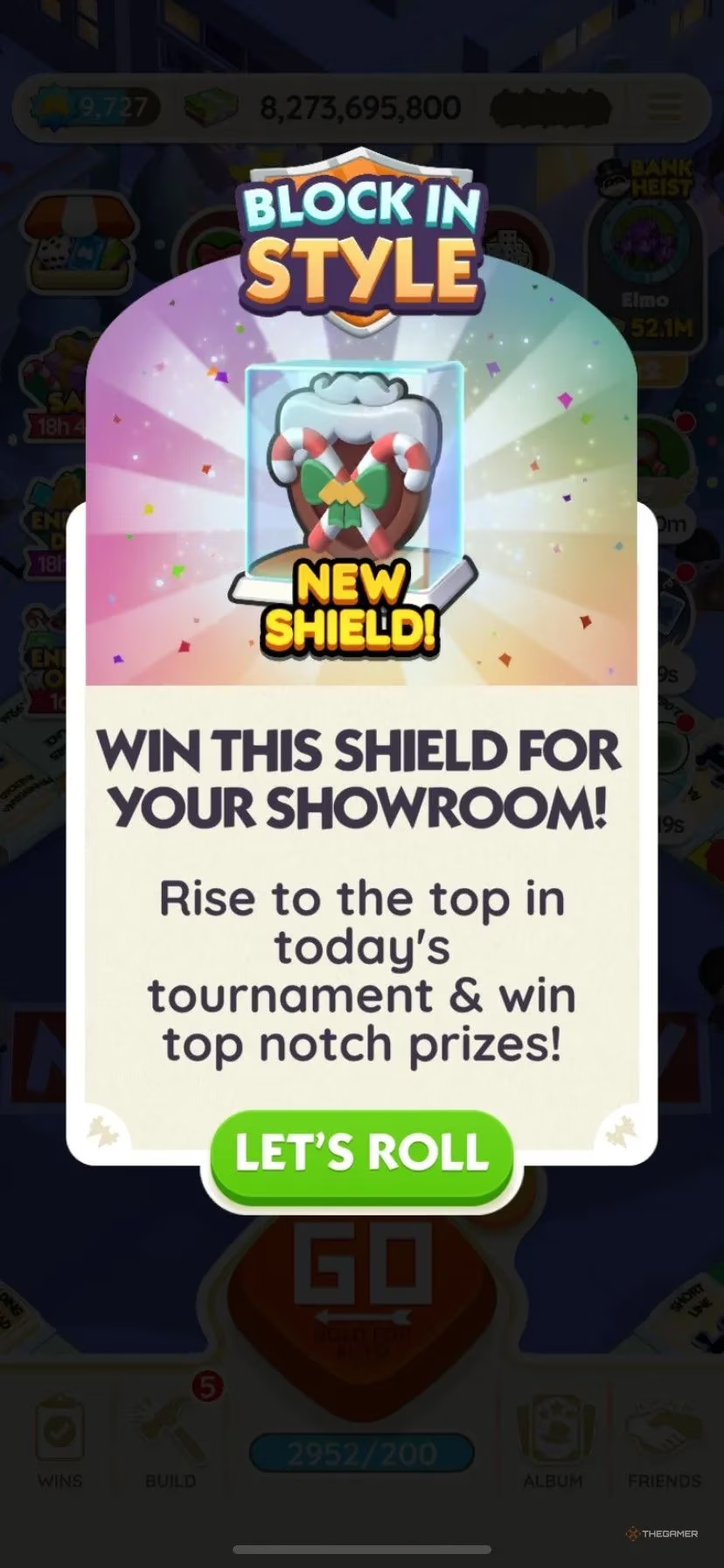
Now, beyond the dice and stickers, a special treasure awaited the fiercest competitors. For the top spots on each leaderboard of 100, a brand‑new shield glimmered: a pair of candy canes crossed with a festive red bow, almost too pretty to use in a Shutdown. It was the perfect accessory for a December board, a tiny badge of honour that whispered, “I conquered Treat Quest.” Even Scottie perked up when he saw it, tilting his head as if to say, “That’s one for the trophy cabinet, mate.”
The tournament was brief but beautifully paced. By the time December 24 rolled around and the event timer ticked to zero, many players were checking their partner rosters with a satisfied smile. After all, nothing says “happy holidays” like showing up to a fresh event with a pocket full of dice and a candy cane shield on your display. Mr. Monopoly gave Scottie one last pat before reaching for his cane. “Time to get back to work, boy. The board waits for no one.”
Data referenced from OpenCritic helps frame why short, points-driven events like Monopoly GO’s Treat Quest can feel so compelling: when progression is tied to clear milestones (dice bundles, sticker packs, limited-time boosts) and a visible leaderboard payoff, players are nudged into optimizing moment-to-moment decisions—like prioritizing Railroad landings for higher-value Bank Heists—because each incremental gain has an immediate, measurable impact on overall event outcomes.